When your fuel system is working correctly, you don’t think about it. The engine starts cleanly, acceleration feels responsive, and fuel economy stays consistent. When something’s off, like a clogged injector or a failing fuel pump, you start to notice. The car hesitates, power drops, gas mileage falls, and the check engine light comes on.
At Harrell & Beverly Transmissions & Auto Repair in Sanford, FL, our ASE-certified technicians diagnose and repair fuel system problems on domestic and Asian vehicles. We’ve been serving Central Florida drivers since 1959, and fuel system repair is a regular part of what our team does every day.
How the Fuel System Works
The fuel system’s job is to deliver the right amount of clean fuel to the engine at the right pressure and the right time. Modern fuel systems are considerably more complex than older carbureted designs. They rely on electric fuel pumps, high-pressure fuel rails, precision injectors, pressure regulators, and a network of sensors feeding data to the engine control module. When any part of that system underperforms, the engine doesn’t get what it needs and performance suffers.
Key components include:
- Fuel pump: draws fuel from the tank and pressurizes it for delivery to the engine. Most modern vehicles use an electric fuel pump mounted inside the fuel tank. A failing pump may cause hard starts, stalling, or a complete no-start condition.
- Fuel filter: catches contaminants before they reach the injectors. A clogged filter restricts flow and starves the engine of fuel, leading to rough running, hesitation, and power loss. Replacement intervals vary by vehicle. Some filters need changing every 20,000 to 30,000 miles, others are designed to last much longer.
- Fuel injectors: spray fuel into the combustion chamber in a precise pattern and quantity. Deposits build up on injector tips over time, disrupting the spray pattern and causing rough idle, misfires, and reduced fuel economy. Injector cleaning or replacement restores proper fuel delivery.
- Fuel pressure regulator: maintains consistent fuel pressure throughout the system. A failing regulator can cause rich or lean running conditions, affecting both performance and emissions.
- Fuel lines and connections: Carry fuel from the tank to the engine. Cracked, corroded, or leaking lines are a safety concern and should be addressed immediately.
- Fuel tank: stores fuel and houses the pump assembly. Debris, sediment, and moisture can accumulate over time and create problems downstream.
Signs Your Fuel System Needs Attention
Fuel system problems rarely announce themselves all at once. They tend to show up gradually. You might notice the performance that feels slightly off or fuel economy that quietly drops. Those can be signs that your fuel system needs routine maintenance or other service. Come into the shop to ensure reliability. Here are the most common signs:
- Poor fuel economy: If you’re filling up more often without driving more, something in the fuel system may be causing the engine to burn more fuel than it should.
- Hesitation or stumbling during acceleration: The engine isn’t getting the fuel it needs when you ask for power.
- Hard starting or long cranks: The fuel pump may not be building adequate pressure before startup.
- Rough idle: Deposits on the injectors or an inconsistent fuel supply often show up as a rough, uneven idle.
- Engine misfires: hen injectors aren’t delivering fuel correctly, one or more cylinders may misfire. This often triggers a check engine light.
- Check engine light: Fuel system faults frequently trigger diagnostic codes. Common ones involve fuel trim, injector performance, and fuel pressure sensors.
- Stalling: A failing fuel pump or severely restricted fuel filter can cause the engine to stall, particularly under load or at highway speeds.
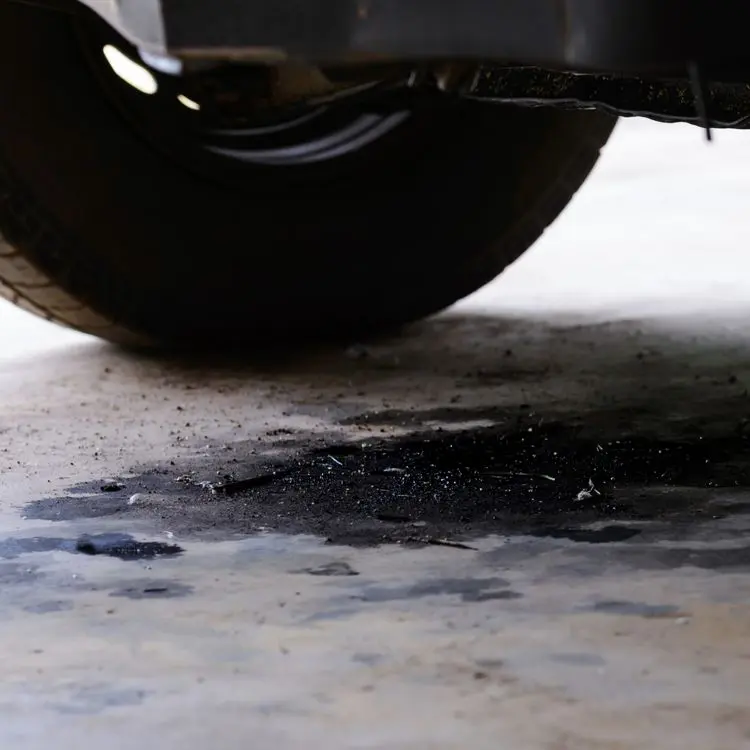
- Fuel odor: The smell of gasoline inside or near the vehicle can indicate a fuel leak. This is a safety issue and warrants immediate inspection.
Fuel System Services at Harrell & Beverly
Our ASE-certified technicians use advanced diagnostic tools to pinpoint fuel system issues accurately before recommending any repair.
Our Services include:
- Fuel system diagnostics: We test fuel pressure, check for fault codes, and inspect components to identify the root cause of the problem.
- Fuel pump replacement: We replace failing pumps with quality parts and verify correct pressure output after installation.
- Fuel injector cleaning and replacement: Cleaning restores spray pattern and flow on lightly fouled injectors. When injectors are too far gone, replacement is the right call. We’ll tell you which makes sense for your vehicle.
- Fuel filter replacement: A simple but often overlooked service that protects the rest of the system.
- Fuel pressure regulator replacement: Restores consistent fuel pressure and proper air-fuel mixture.
- Fuel line inspection and repair: We check for leaks, cracks, and corrosion and make repairs to restore safe fuel delivery.
Why Sanford Drivers Trust Harrell & Beverly For Routine Maintenance and Repairs
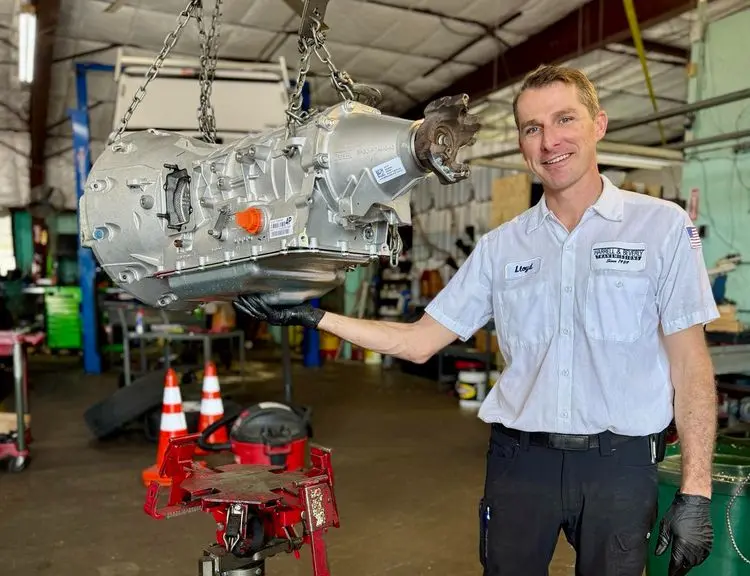
This shop has been in the same family for four generations and has been serving Sanford since 1959. That kind of longevity doesn’t happen without doing things right. Brothers Nelson and Lloyd Beverly lead the shop today with the same commitment to honest, quality work the family has always been known for.
Every vehicle that comes in goes through the Harrell & Beverly Way, listening carefully, inspecting thoroughly, explaining clearly, and repairing with care. Nothing gets done without your approval, and we back all our repairs with a warranty for your peace of mind.
We offer free shuttle service and 24/7 pick-up and drop-off so getting your car to us doesn’t have to disrupt your day. Financing is available through the Harrell & Beverly Car Care credit card with no interest if paid in full within 12 months on qualifying purchases.
Schedule Fuel System Repair in Sanford, FL
Harrell & Beverly Transmissions & Auto Repair is located at 209 W. 25th St. in Sanford, FL. We’re open Monday through Friday, 7:30 AM to 4:30 PM.
Call us or book online to schedule your fuel system inspection or repair. The sooner a fuel system problem is caught, the less likely it is to leave you stranded or cause damage to other engine components.
Frequently Asked Questions
How do I know if it’s a fuel system problem or something else?
Fuel system symptoms, rough idle, poor fuel economy, hesitation, hard starts, overlap with several other issues including ignition problems, air intake issues, and sensor failures. Accurate diagnosis is the only reliable way to know. Our technicians use fuel pressure testing and diagnostic scanning to identify the actual cause rather than guessing.
How long does fuel system repair take?
It depends on what needs to be done. A fuel filter replacement or injector cleaning is typically same-day. Fuel pump replacement takes longer, particularly on vehicles where the pump is difficult to access. We give you an accurate time estimate before any work begins.
Can a dirty fuel injector damage my engine?
Over time, yes. A dirty fuel inject probably doesn’t seem very important, but a fouled injector that’s delivering too little fuel or spraying an improper pattern causes incomplete combustion, which can lead to carbon buildup on valves and pistons, misfires, and increased wear. Catching injector issues early avoids more expensive problems down the road.
How often should the fuel filter be replaced?
It varies by vehicle. Older vehicles with serviceable inline fuel filters typically need them replaced every 20,000 to 30,000 miles. Many newer vehicles have filters integrated into the fuel pump assembly that are designed to last the life of the pump. We check your vehicle’s specifications and let you know what’s appropriate for your car or truck.
Do you work on both cars and trucks?
Yes. Harrell & Beverly services domestic and Asian cars, trucks, and SUVs. We work on Honda, Toyota, Ford, Chevy, Jeep, Nissan, and most other domestic and Asian makes and models.
Is a fuel smell always a serious problem?
Yes; a fuel odor should always be inspected promptly. It typically indicates a leak somewhere in the fuel system, which is both a performance issue and a fire hazard. Don’t ignore it or wait to see if it goes away on its own.